

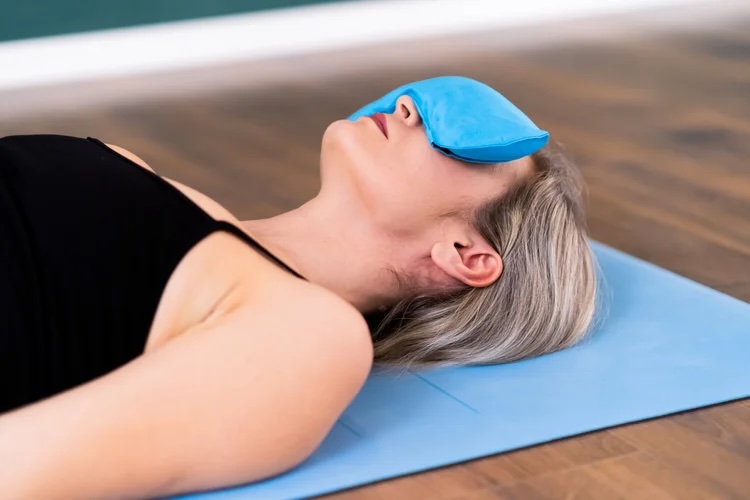
In wellness settings, sensory isolation generally refers to reducing external stimulation to support a calmer, more focused relaxation environment. It does not always mean total silence or full sensory deprivation. More often, it means limiting distractions such as bright light, noise, interruptions, or digital input so the experience feels more contained and less demanding on attention.
For Unwind Sound Lounge, this concept aligns with how the business presents its environment and session design. The studio describes private pods, noise-canceling headphones, blackout eye masks, weighted blankets, and a vibroacoustic sound lounge as part of its 45-minute “Signature Unwind” experience. In that context, sensory isolation is not about shutting out every sensation. It is about creating a lower-distraction setting that may help guests settle more easily into rest.
What sensory isolation means in a wellness setting
In wellness, sensory isolation is best understood as intentional reduction of outside input. The aim is to create an environment that feels quieter, darker, slower, and more predictable than everyday life. Some services do this through dim lighting, silence, floating, or private rooms. Others use tools such as eye masks, headphones, reclined seating, or enclosed pods to reduce stimulation without removing it completely.
This distinction matters because many people do not need complete sensory deprivation to feel calmer. In many wellness experiences, a partially controlled environment is enough to reduce distraction and support a more immersive session. A person may still hear curated audio, feel warmth, or notice vibration, but those inputs are limited and intentional rather than random or overwhelming.
Why reduced stimulation may support relaxation
Daily life often includes constant sensory input: phone notifications, traffic, screens, background conversation, and the mental habit of switching attention from one thing to another. A lower-stimulation setting may help some people feel less pulled outward and more able to remain present with the session itself. That does not guarantee a specific result, but it helps explain why reduced-stimulation environments have become part of many relaxation-focused services.
For many guests, the value is not just silence. It is predictability. When the environment is consistent and there are fewer interruptions, some people report feeling less distracted and more able to settle. This is especially relevant for people who find it hard to relax in busy spaces or who do not connect easily with traditional meditation practices that rely on self-guided stillness alone.
How sensory isolation relates to vibroacoustic wellness
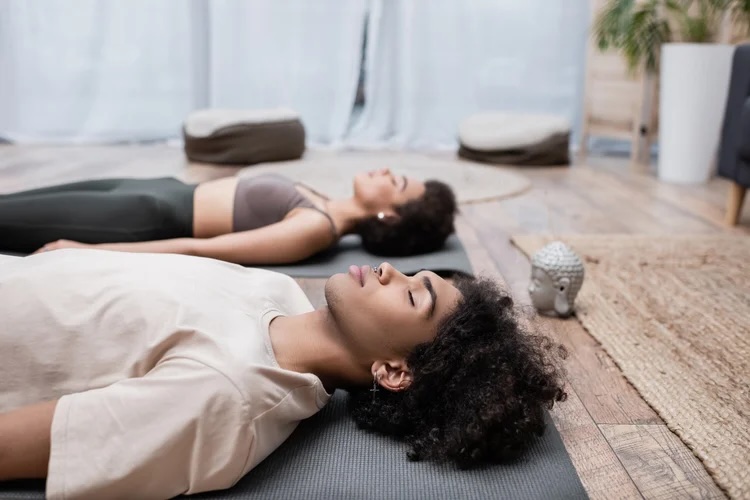
Vibroacoustic therapy is commonly described as the use of sound-based vibration, often paired with audio, delivered through equipment such as a chair, mat, recliner, or bed. Published reviews describe it as a complementary approach and distinguish it from other vibration modalities that rely on mechanical rather than sound-based vibration.
At first, that may seem different from sensory isolation because sound and vibration are still forms of sensory input. In practice, though, the two can work together. The difference is that the input is structured. Instead of random background noise or competing sensory demands, the guest experiences a controlled soundscape and steady vibration within a quieter environment. That can make the session feel more immersive while still keeping the overall sensory environment contained.
At Unwind Sound Lounge, that controlled environment is part of the service design. The site describes zero-gravity vibroacoustic sound lounges, cocoon-style pods, noise-canceling headphones, blackout eye masks, weighted blankets, infrared light, and aromatherapy as part of the studio’s multi-sensory setup. Together, those features are intended to reduce outside distractions and support a focused relaxation experience.
What a deeper relaxation experience can look like
A deeper relaxation experience does not necessarily mean dramatic or immediate effects. In a wellness setting, it often means the guest feels less distracted, more physically settled, or more able to remain present through the session. Some people may describe that as feeling quieted mentally. Others may simply feel more comfortable or less busy internally than they did when they arrived.
This kind of environment may also appeal to people who find traditional meditation difficult. Unwind’s FAQ says many first-timers find vibroacoustic meditation easier than traditional meditation because they can “simply relax and let the bed do the work.” That framing is useful because it speaks to a common commercial-informational question: not only what the session is, but what it feels like and whether it is approachable for someone without prior meditation experience.
Rather than asking guests to actively control their thoughts, a session built around low stimulation and guided comfort may reduce some of the barriers that make stillness feel difficult. Reclined positioning, limited visual input, and a contained sound environment can all contribute to that experience.
What sensory isolation can include in a modern wellness lounge
In a modern wellness lounge, sensory isolation usually comes from a combination of environmental choices and supportive accessories. Common examples include low lighting, a private or semi-private setup, fewer interruptions, limited device use, reclined positioning, eye masks, headphones, blankets, and intentional pacing before and during the session.
At Unwind, several of those features are explicitly part of the guest experience. The studio describes a boutique setting with only three pods, a calm white-space environment, and session elements such as bamboo-silk eye masks, weighted blankets, and noise-canceling headphones. These are all features intended to reduce distraction and support a more focused relaxation setting.
From a search perspective, this matters because many users are not only looking for a definition of vibroacoustic therapy. They also want to know what to expect from the room, how intense the experience feels, and how it differs from services such as a sound bath, flotation session, or traditional meditation class. Explaining the sensory environment clearly helps answer those practical pre-booking questions.
Important wording and safety considerations
This topic benefits from careful language. Sensory isolation in wellness should not be presented as a cure, a guaranteed nervous system reset, or a substitute for medical or mental health care. Published evidence around vibroacoustic therapy varies depending on the specific outcome being discussed, and the literature often describes it as a complementary approach rather than a standalone medical intervention.
Unwind’s FAQ also lists several contraindications and situations where provider guidance is recommended first, including pacemakers or other electronic implants, epilepsy or seizure disorders, deep vein thrombosis, pregnancy-related considerations, and certain recent or acute health conditions. Including that information supports clearer, more responsible wellness communication and helps set realistic expectations before booking.
Conclusion
Sensory isolation in wellness is the practice of reducing outside stimulation so a session feels calmer, more contained, and easier to settle into. In most cases, it does not mean complete deprivation. It means limiting distractions and shaping the environment in a way that supports rest.
In a vibroacoustic setting, that lower-stimulation approach can work alongside structured sound and gentle vibration to create a more immersive relaxation experience. For Unwind Sound Lounge, the concept helps explain why the full setup matters: not only the vibroacoustic lounge itself, but also the pod, the eye mask, the headphones, the weighted blanket, and the quieter atmosphere around them.
When described carefully, sensory isolation can help connect common user questions about deep relaxation and modern wellness with what guests can realistically expect from a vibroacoustic session.
Respuestas