

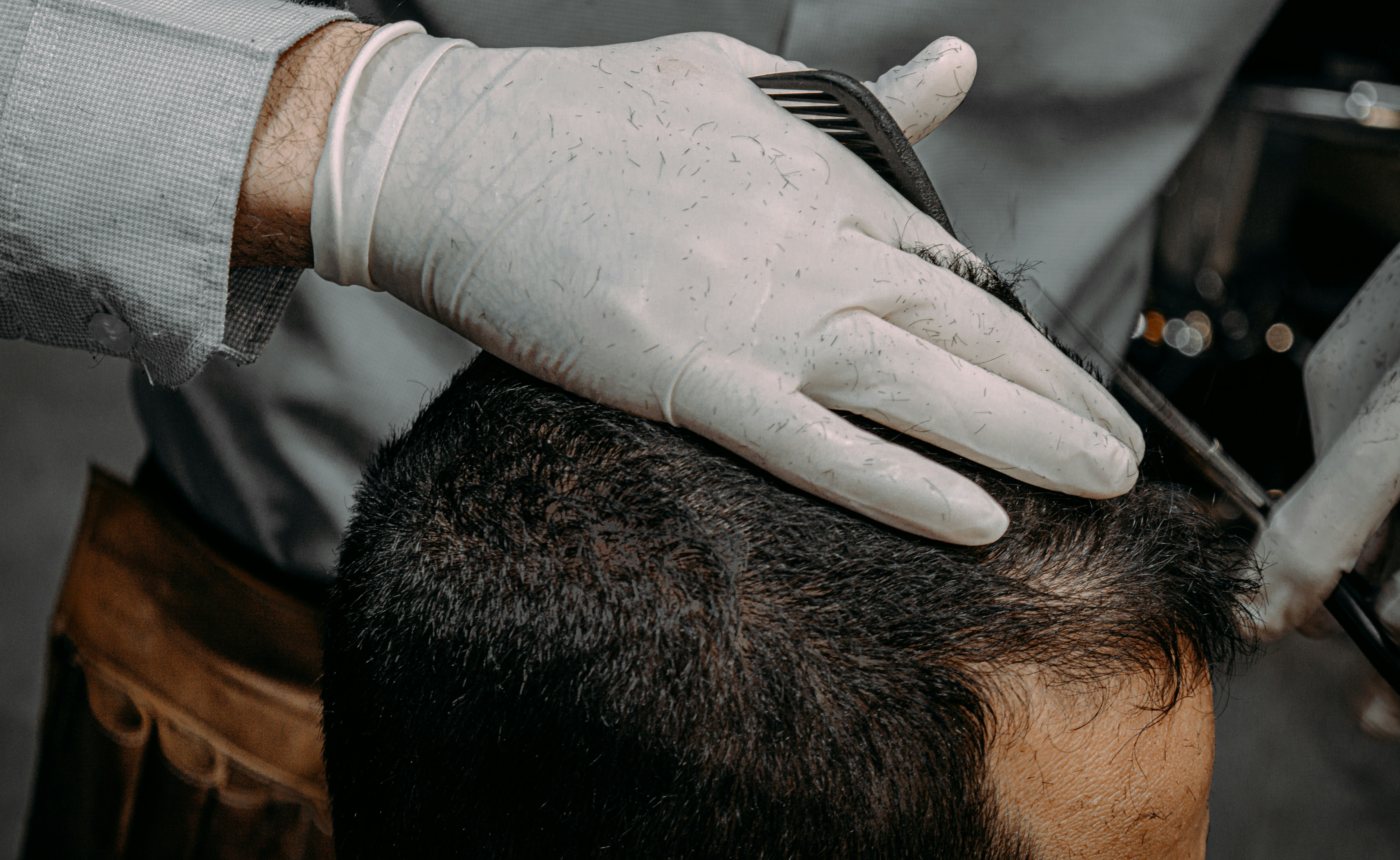
If you are considering a hair transplant, one of the first questions you may ask is how long recovery takes. For many London patients, recovery matters just as much as cost, clinic choice, and eventual results. People often want to know when they can return to work, when redness and scabbing may settle, and when new hair is likely to start appearing
FUE recovery is usually a gradual process rather than a single endpoint, and timelines can vary from patient to patient. The first week is generally focused on healing, the following weeks may involve temporary shedding, and visible growth tends to come later. Understanding that timeline can make the process easier to plan around work, commuting, social events, and everyday life.
What FUE Recovery Usually Looks Like in the First Week
For many patients, the first week is the most noticeable part of recovery. This is when the scalp is healing from both the extraction and implantation stages of the procedure. It is common to experience some redness, small scabs, mild swelling, and tenderness during this early period.
The first few days often require the most care. Patients are commonly advised to sleep with their head elevated, avoid touching the grafts, and follow a specific washing routine provided by the clinic. The aim is to protect the newly placed grafts while allowing the scalp to heal in a controlled way.
By around day 7, many people report feeling more comfortable, although healing can vary. Visible signs of treatment often begin to settle during this period, which is why some London patients choose to schedule the procedure around annual leave or a quieter week at work. Recovery speed can differ depending on the number of grafts, skin sensitivity, and how closely aftercare advice is followed.
When Can You Go Back to Work After FUE?
The timing depends partly on the type of work you do and how comfortable you feel being seen while the scalp is still healing. Office-based patients often plan for several days to about a week away from work, depending on how visible they want early healing signs to be.
Some people feel ready sooner, especially if they work from home or do not mind temporary redness or scabbing. Others prefer to wait a little longer before returning to public-facing or client-facing roles. In London, where many people commute, attend meetings, or work in close professional settings, allowing extra recovery time may feel more practical.
If your role involves physical labor, heavy lifting, heat exposure, or a lot of sweating, you may need to be more cautious. Returning to strenuous activity too soon may make recovery less simple and could increase discomfort during the early healing stage.
What Happens in Weeks Two to Four?
One of the most important parts of the recovery timeline is understanding that the second stage can feel surprising if you are not expecting it. After the first week, the scalp often looks calmer, but the transplanted hairs may begin to shed. This is commonly described as a normal part of the process.
This shedding phase can make it seem as though progress has paused or moved backwards. In many cases, the follicles remain in place beneath the skin while the hair shafts shed. Although this stage can feel frustrating, especially for patients hoping for quick visible improvement, it is often part of the expected recovery pattern after FUE.
By the end of the first month, much of the short-term healing has often settled, although some redness or sensitivity may last longer in some patients. At this point, many people are no longer focused on surgical healing itself, but on waiting for the growth phase to begin.
When Does New Hair Start Growing?
New growth often begins a few months after the procedure rather than within the first few weeks. This is one of the biggest adjustments in expectation for anyone planning FUE. Recovery from the procedure and visible regrowth are closely linked, but they happen on different timelines.
In many cases, early growth starts at around three to four months, although this can differ from one patient to another. At first, the new hairs may appear fine, soft, or even. That early appearance does not necessarily reflect the eventual result. Hair often matures gradually over time and may become denser and blend more naturally with surrounding hair as the months pass.
By around six to nine months, many patients notice a more meaningful cosmetic change, with further maturation continuing after that. Because of this, it helps to think of FUE in two stages: short-term recovery during the days and weeks after the procedure, and longer-term hair growth that develops over several months.
What Factors Can Affect Recovery Time?
Not every patient recovers at the same pace. Several factors can influence how quickly you feel comfortable and how smoothly healing progresses.
The size of the transplant is one factor. A larger session often means a wider treatment area and more visible healing in the short term. Skin sensitivity can also play a role, as some people experience more redness or irritation than others. General health, lifestyle, and aftercare habits may also affect the overall recovery experience.
Factors such as smoking, limited rest, and returning to strenuous exercise too soon may make recovery less simple. Following the clinic’s washing and aftercare instructions may support a smoother recovery experience. Surgical technique and aftercare support can also influence how manageable the healing period feels from the patient’s point of view.
What Aftercare Helps Support a Smoother Recovery?
Aftercare is one of the most practical parts of FUE recovery because it is the area patients can influence most directly. While each clinic may provide slightly different instructions, the general focus is usually on protecting the grafts, keeping the scalp clean, and reducing avoidable irritation.
Patients are commonly advised to avoid touching or scratching the scalp in the early days. Washing instructions are typically gentle and structured, especially during the first week. Clinics commonly advise avoiding strenuous exercise, swimming, and direct sun exposure for a period after the procedure, based on individual aftercare advice.
Planning ahead can make the process easier. Many London patients arrange remote work where possible, keep social plans light for the first few days, and prepare comfortable clothing that does not need to be pulled tightly over the head. Small practical steps like these may help reduce stress during recovery and make it easier to follow aftercare guidance consistently.
When Should You Be Concerned During Recovery?
Some mild discomfort, redness, swelling, and scabbing can be expected after FUE. Even so, patients should know when to seek advice. If symptoms seem to worsen rather than improve, or if you notice unusual pain, discharge, or other signs that concern you, contact your clinic promptly.
Clear aftercare support is an important part of the patient experience. The first two weeks can involve a number of visible changes, and many patients feel more reassured when they know what is expected at each stage. Good follow-up care can help patients feel supported and better informed during recovery.
Choosing a regulated clinic with appropriately qualified medical professionals is an important part of planning treatment and aftercare. Recovery is not only about the day of the procedure, but also about the guidance you receive before and after it.
How London Patients Can Plan Around the Recovery Timeline
For London patients, recovery is often as much about timing as healing. Busy work schedules, commuting, social plans, and public-facing roles can all influence when it makes sense to book treatment.
A practical approach is to allow several days to a week for the most visible early recovery, while remembering that shedding and regrowth happen over a longer timeline. If you have a wedding, holiday, major presentation, or other important event coming up, it may help to schedule the procedure well in advance rather than expecting a quick cosmetic change.
It is also worth discussing your routine openly during consultation. Whether you work in hospitality, media, finance, retail, or primarily from home, recovery advice can often be shaped around your day-to-day lifestyle and responsibilities.
Conclusion
So, how long does FUE recovery take? For many patients, the early healing stage takes about a week, while the longer visual journey unfolds over several months. Many people feel ready to return to normal daily life relatively quickly, although visible hair growth usually takes longer.
That is why good FUE planning involves not only the procedure itself, but also realistic expectations about recovery and regrowth. For London patients, understanding the timeline, asking the right questions during consultation, and choosing a clinic with appropriate medical oversight can help the overall experience feel more informed and easier to manage.
Respuestas